
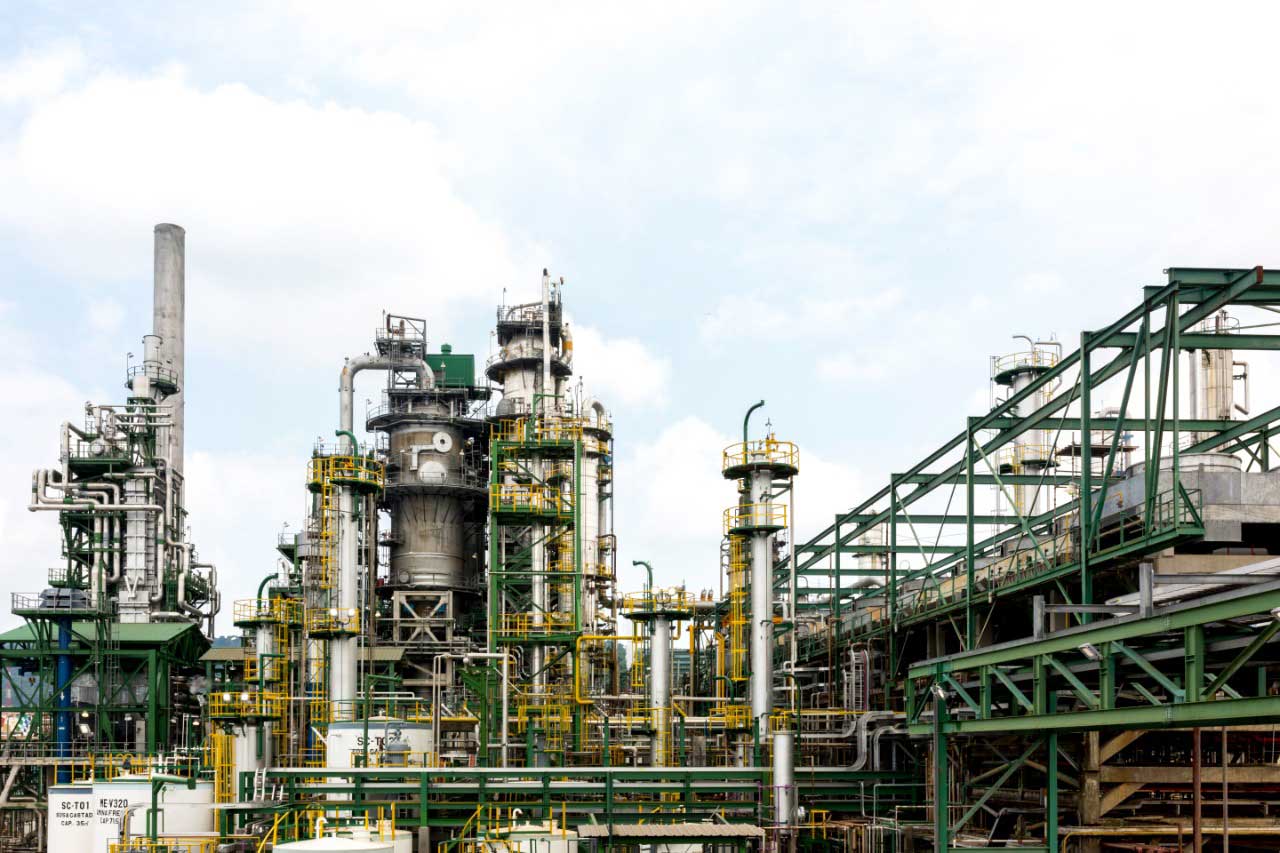
Diesel production resumes as a separate plant fire is controlled without disrupting electricity service.
Refinery climbs back to 83% capacity
Ecuador’s largest oil refinery has resumed diesel production and increased its operating level to 83% of capacity following an extensive rehabilitation effort after a major fire in March.
The Esmeraldas Refinery was processing 90,750 barrels of crude oil per day by midday Friday, June 5th, approaching its installed operating capacity of 110,000 barrels per day. The recovery marks a sharp improvement from the months immediately following the March 1st fire, when activity at the complex fell to an average of about 40%.
Petroecuador said the work required 92 days and an investment of $15.7 million. The restoration program involved a gradual restart of key units rather than an immediate return to normal operations, allowing the refinery to increase output as damaged infrastructure was repaired and safety checks were completed.
The return of diesel production is particularly significant because the fuel is widely used by the transportation sector and by industrial operations. Restoring domestic output could reduce the amount Ecuador must purchase from international suppliers.
Units returned to service in stages
The first major step came on March 16th, when the Crude 2 and Vacuum 2 units were restarted. Those units allowed the refinery to resume shipments of asphalt, Jet A1 aviation fuel and gasoline.
A second phase followed on May 15th with the restart of the Fluid Catalytic Cracking units, commonly known as FCC units. Those facilities are essential for increasing the production of naphtha used in gasoline manufacturing, as well as gas for domestic consumption.
The final stage of the immediate recovery plan was completed on June 5th with the restart of Non-Catalytic Units 1, 2 and 3. Their return made it possible to reactivate diesel production, which had remained suspended since the March fire.
The newly available units have also expanded production of several other petroleum derivatives, including light and heavy naphtha, premium diesel, fuel oil, asphalt, hydrogen and base naphtha used in the production of Extra and Ecopaís gasoline.
Petroecuador said the plant is now operating at its maximum available capacity and is expected to process approximately 2.72 million barrels of crude oil during the current production period.
Emergency contracts support repair work
The state oil company awarded six emergency contracts to address the damage and restore operations. Three were focused on industrial safety measures and emergency response.
Another contract covered repairs to the electrical and instrumentation systems serving Non-Catalytic Unit 1. A separate agreement was used to guarantee the transportation of liquefied petroleum gas and maintain the continuous operation of the refinery’s processing units.
The rehabilitation work is not yet fully complete. Petroecuador plans to continue a sixth contract through 2027 for a broader restoration of the Visbreaking 1 unit.
Refining Manager Santiago Carrera said preventive maintenance will continue as part of the effort to keep the plant operating reliably. The refinery remains one of the most important components of Ecuador’s fuel supply system, and disruptions at the complex can increase the country’s dependence on imported petroleum products.
Separate fire reported at thermal power plant
As the refinery reached its highest operating level since March, firefighters responded to a separate emergency elsewhere in Esmeraldas on the same day.
A fire broke out Friday afternoon in a cooling tower at the Esmeraldas I thermal power plant, located within the Termoesmeraldas complex. Videos and photographs shared on social media showed a thick column of smoke rising from the site.
Firefighters worked for slightly more than two hours before the blaze was extinguished at about 7:10 p.m. Cooling operations continued afterward as authorities inspected the affected area.
The 125-megawatt plant had already been taken out of service for scheduled maintenance when the fire occurred, according to the Ecuadorian Electricity Corporation. No injuries were reported, and officials said the incident did not affect the country’s electricity supply.
The Risk Management Secretariat said the cause of the thermal plant fire had not yet been determined. An investigation is expected to examine how the blaze started while maintenance work was underway and whether additional safety measures will be required at the facility.
0 Comments