
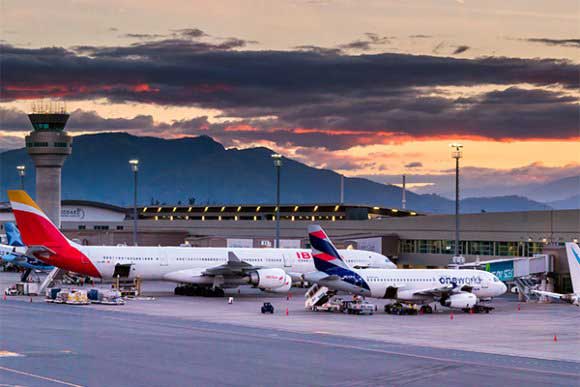
The Assembly approved updated rules for delays, cancellations, overbooking and baggage, but presidential action comes next.
Assembly approves sweeping aviation overhaul
Ecuador’s National Assembly approved a new Organic Civil Aviation Law on September 24th, replacing and consolidating a legal framework that has governed the sector for nearly two decades.
The 215-article bill was approved in second debate with 88 votes in favor and 60 against. It brings civil aviation rules into a single law covering airlines, airports, passenger protections, drones, safety, operating permits and oversight of the industry.
For travelers, some of the most practical provisions involve what airlines must do when a flight is delayed or canceled, a ticket is oversold or baggage does not arrive as expected.
There is one important caveat: the new law is not yet in force. The Assembly-approved text must first be sent to President Daniel Noboa, who can sanction it or object to it. The provisions will take effect only after the constitutional process is completed and the law is published in the Official Registry.
Passenger protections move into the law
The legislation incorporates passenger protections directly into the new organic law, including rules governing refunds and compensation when airlines fail to provide contracted service.
Many of the protections are not entirely new for Ecuadorian travelers. Similar rights have already been contained in passenger regulations and guidance issued by aviation authorities. The new law elevates key protections into the country’s primary aviation statute.
Under the framework approved by the Assembly, passengers are entitled to assistance or compensation in cases involving cancellations, delays attributable to an airline and overbooking. What a traveler receives depends on the type and length of the disruption.
For international flights, existing passenger rules provide escalating assistance as delays become longer. A delay of more than two but less than four hours can require a snack and access to communications. Longer delays can trigger meals, and delays exceeding six hours can require lodging and transportation or an immediate refund.
The new law also establishes that an airline can avoid liability for damages caused by a delay or suspension if it proves that it and its agents took all measures reasonably necessary to prevent the problem, or that taking those measures was impossible. In that circumstance, the airline must return the ticket price.
Overbooking and baggage are covered
The legislation also addresses overbooking, the airline practice of selling more tickets than available seats because carriers expect some passengers not to appear.
When too many ticketed passengers arrive for a flight, the rules provide protections for travelers who cannot be accommodated. Airlines may seek volunteers willing to take a later flight in exchange for agreed benefits, but passengers involuntarily denied boarding have rights to assistance and compensation under the applicable rules.
Delayed, damaged or lost baggage is another area covered by passenger protections. Travelers should report a baggage problem to the airline promptly and retain baggage tags, boarding passes and receipts for necessary purchases.
The exact compensation available can depend on whether the flight is domestic or international, the circumstances of the loss or delay and the rules governing the particular journey.
Discounts remain for older and disabled travelers
The legislation preserves the 50 percent airfare discount for people over age 65 and for passengers with disabilities who qualify for the benefit.
One practical change is aimed at online purchases. Airlines will have six months to implement systems allowing eligible passengers to obtain the statutory discount when purchasing tickets through the internet.
That addresses a recurring problem for travelers who are legally entitled to the discount but have encountered difficulty receiving it through airline websites or other digital sales systems.
Open skies, airports and drones also change
Passenger rights are only one part of a much larger overhaul.
The legislation adopts an open-skies policy intended to make it easier for airlines to enter the Ecuadorian market and establish routes and frequencies. Supporters say that greater competition and connectivity could eventually produce more flight options and lower fares, although the law itself does not guarantee that ticket prices will fall.
The bill also permits exceptional private-sector participation in airport services while maintaining state regulation and oversight. That provision was politically contested during the Assembly debate, with opposition legislators raising concerns about local authority over airports.
The Directorate General of Civil Aviation remains the technical aviation authority, while the legislation also establishes rules for registration and oversight of drones and gives greater technical independence to the body that investigates aviation accidents.
For passengers, the immediate significance is less dramatic than some headlines suggest. Travelers already have protections under existing aviation rules, and the Assembly’s vote does not instantly replace them. The larger change is that Ecuador is putting passenger rights, modern airline regulation and newer technologies into a single updated legal framework.
The next step belongs to the Executive. Until the presidential review is completed and the legislation is officially published, travelers should rely on the passenger protections currently in force rather than assume every provision of the Assembly-approved bill already applies.
0 Comments