
Officials face procurement delays, limited equipment supplies and a possible 1,300-megawatt shortfall during the coming dry season.
Ecuador has less than four months to strengthen its electricity system before seasonal rainfall declines, river levels fall and the country’s heavy dependence on hydroelectric power again becomes a threat to reliable service.
Government projections show the electricity deficit could reach 1,300 megawatts under the most severe hydrological conditions during the dry season expected to begin in October. That would represent a shortage almost equal to the generating capacity of the 1,500-megawatt Coca Codo Sinclair hydroelectric plant, the largest power station in the country.
Energy officials stress that the figure represents a worst-case scenario rather than a firm prediction. The size of the shortfall will depend on rainfall, reservoir levels, electricity demand and the availability of thermal plants and imported power.
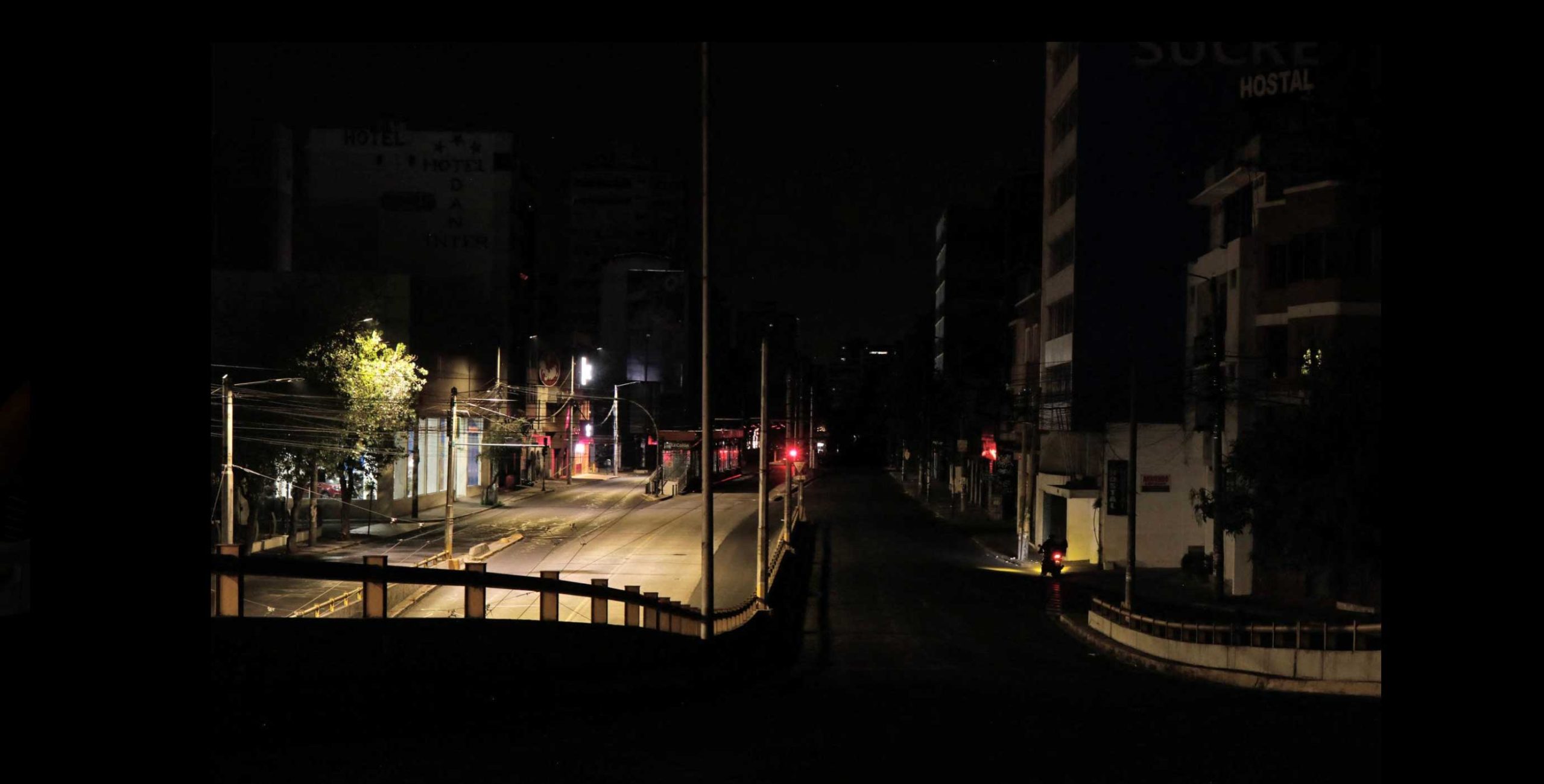
Even so, the estimate illustrates the scale of the challenge facing President Daniel Noboa’s administration as it attempts to prevent a repeat of the blackouts that have disrupted households and businesses in recent years.
Hydroelectric dependence creates seasonal risk
Ecuador’s power system performs well when rainfall is abundant. Between June 1st and June 16th, hydroelectric plants supplied 87% of national electricity demand, producing an average of about 3,822 megawatts.
That advantage can quickly become a vulnerability when the dry season arrives. Lower river flows reduce output from hydroelectric facilities, forcing the country to rely more heavily on thermoelectric plants powered by diesel and other fuels.
The dry period normally begins in October and can continue through March. Its severity varies from year to year, making it difficult for authorities to know how much backup generation will be required.
The final weeks of the previous dry season offered a warning. In March, hydroelectric facilities supplied between 73% and 76% of demand as unusually hot weather on the coast pushed electricity consumption to record levels of between 5,200 and 5,300 megawatts. Unexpected outages were reported in several areas as the system came under pressure.
Officials are now trying to build enough reserve capacity to manage similar demand spikes while compensating for reduced hydroelectric production.
Most planned capacity remains unsecured
The government says it intends to add about 500 megawatts for the 2026-2027 dry season through a package valued at $498 million. However, only 55 megawatts of leased generation had been awarded by June.
A 45-megawatt rental contract for the Santa Elena thermoelectric plant was awarded to Comercial Laeisz Honduras S.A. The two-year agreement is valued at $13.16 million.
A separate two-year contract for 10 megawatts at the Guangopolo plant was awarded in May to the Tanergy Group consortium for $59.2 million.
The remaining capacity has been slowed by unsuccessful bidding processes. Of five procurement procedures launched since April to obtain 205 megawatts, three were declared void. Energy Minister Juan Carlos Blum said the government was relaunching the canceled competitions after errors were found in bids submitted by participating companies.
Blum said foreign suppliers often struggle to meet Ecuador’s public procurement requirements, which he described as more complicated than those in many other countries.
Officials expect 55 additional megawatts from the relaunched processes to enter service between August and November. Combined with the capacity already awarded, that would provide 110 megawatts of new generation, although part of it may not be available when the dry season begins.
Global equipment shortage narrows options
Most of the government’s plan depends on temporary rentals rather than permanent additions to the national generating system. Of the proposed 500 megawatts, 440 megawatts would come from leased equipment.
The remaining 60 megawatts are expected through the replacement of machinery at plants in Santa Elena, Quevedo and Esmeraldas. The government says Hyundai has already been selected for that work.
Blum said purchasing large quantities of new generating equipment is not a realistic short-term solution because governments and power companies around the world are competing for the same machinery.
After discussions with major manufacturers, including Mitsubishi, Ecuador was told that newly built equipment might not be delivered until 2032. That leaves rentals, plant repairs and imported electricity as the principal tools available before October.
The government is also working to restore capacity at existing thermoelectric facilities, many of which have suffered from years of inadequate maintenance, mechanical problems and limited fuel availability. Every repaired unit could reduce the amount of additional power that must be leased or purchased abroad.
Colombian electricity could provide crucial support
Another important part of the government’s contingency planning involves restoring electricity imports from Colombia, which could supply Ecuador with roughly 450 megawatts.
Sales stopped in February amid both energy concerns and a broader trade dispute. The interruption followed Ecuador’s decision to impose tariffs on Colombian imports, prompting retaliatory measures from Colombia.
Both governments removed the tariffs in early June, clearing one political obstacle to renewed electricity trading. However, Colombian authorities have remained cautious about exports because of concerns that El Niño conditions could reduce rainfall and place additional pressure on their own reservoirs.
Deputy Energy Minister Javier Medina said Colombia’s reservoirs were about 70% full and authorities there hoped to raise that level to 80% by August. Ecuadorian officials believe normal purchases could resume once Colombia is more confident about its domestic supplies.
Imports alone would not eliminate Ecuador’s projected worst-case deficit, but 450 megawatts from Colombia, combined with rented generation and repaired thermal plants, could significantly reduce the risk of outages.
Whether those resources will be available in time will depend on procurement decisions, equipment installation, weather conditions and negotiations across the northern border. As October approaches, the government’s margin for delays is becoming increasingly narrow, while the country’s rivers continue to provide most of the electricity that keeps Ecuador running.
Funny and sad to not read the word “Solar” in any of the above. Its cost has plummeted and good storage systems have been developed. Is there not sun here?