
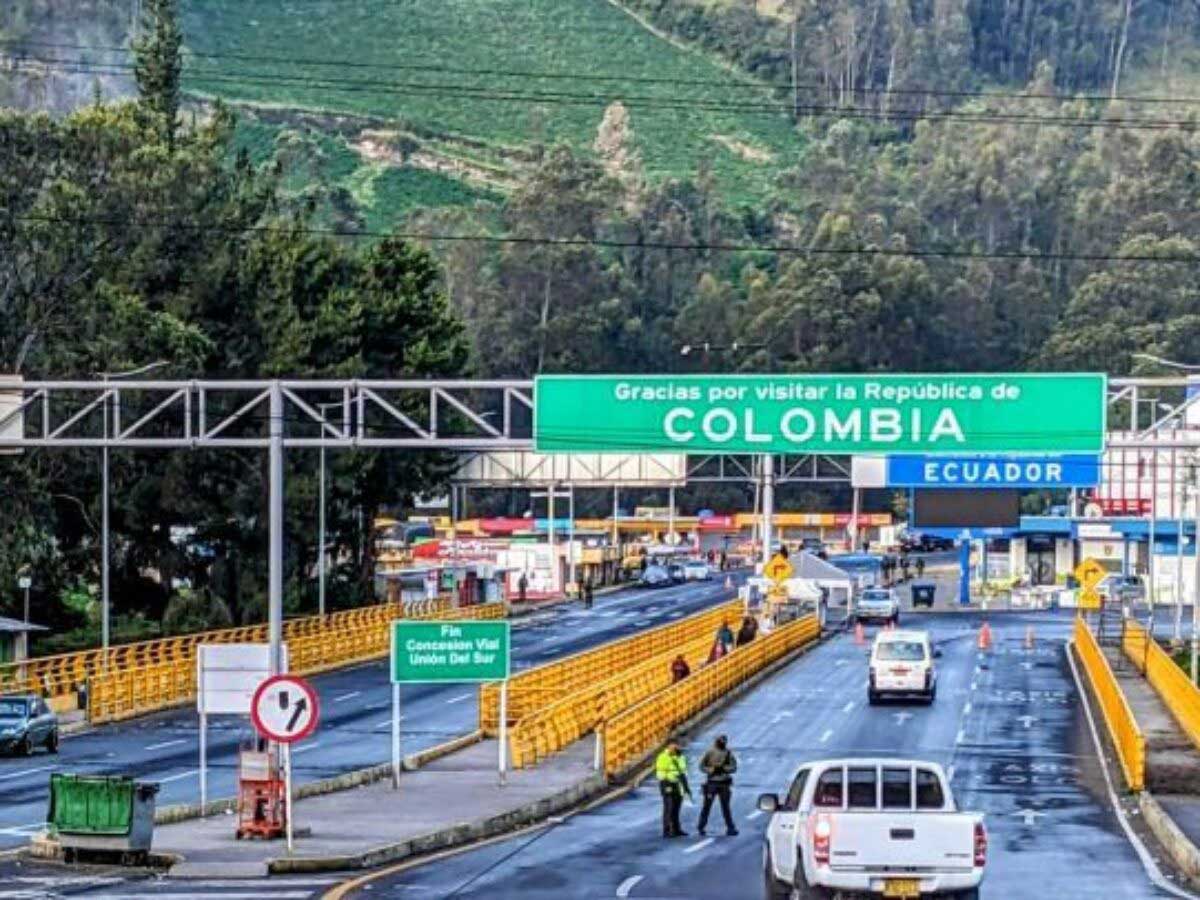
Ecuador and Colombia move to end a costly dispute after months of escalating trade restrictions.
Ecuador has formally eliminated the tariffs imposed on Colombian products, opening the door to the end of a trade dispute that disrupted commerce, increased pressure on importers and raised concerns about the cost of everyday goods.
The National Customs Service issued a resolution on May 31st removing the so-called customs service security fee from Colombian imports. The measure took effect on June 1st, ending a levy that began at 30% in February, later rose to 50% and reached 100% on May 1st.
The tariffs had affected a broad range of Colombian products entering Ecuador, including medicines, cosmetics, plastics and rubber goods. Because Colombia is one of Ecuador’s closest trading partners, the dispute quickly extended beyond a diplomatic disagreement and began affecting businesses and consumers on both sides of the border.
During its three months in effect, the tariff generated approximately $121 million for Ecuador. But it also contributed to a sharp contraction in imports and prompted retaliatory measures from Colombia.
A dispute rooted in border security
President Daniel Noboa initially announced the levy on January 21st, arguing that Colombia was not doing enough to combat drug trafficking and organized crime along the shared border.
Ecuadorian officials have repeatedly blamed the movement of cocaine and other illegal drugs from Colombia for worsening violence inside Ecuador. Much of that contraband is transported through Ecuadorian territory before being shipped from ports and coastal areas to markets in North America and Europe.
The tariff was presented by Noboa’s government as a security measure rather than a conventional trade restriction. But as the rate increased, businesses warned that the policy was hurting importers, complicating supply chains and raising the risk of higher prices for consumers.
Colombia responded by imposing tariffs of up to 75% on a group of Ecuadorian products. The Colombian government also halted energy sales to Ecuador as relations deteriorated.
The dispute became increasingly political as Noboa and Colombian President Gustavo Petro exchanged accusations on several issues. Both governments eventually recalled their ambassadors for consultations.
Imports fall sharply
The impact on trade became visible almost immediately.
Imports from Colombia fell by 66% in February compared with the same month a year earlier. In March, they remained down by 58%, reaching approximately $59.4 million, according to the latest available figures from Ecuador’s Central Bank.
The drop illustrated how quickly the tariffs reshaped commerce between the neighboring countries. Colombian exporters faced a smaller market in Ecuador, while Ecuadorian businesses that depend on imported products were forced to absorb higher costs, reduce orders or seek alternative suppliers.
The Andean Community eventually intervened. Its General Secretariat ordered both countries to dismantle the tariffs imposed during the dispute and gave them ten business days to comply. That deadline expired on May 21st.
Ecuador requested reconsideration of the decision. Before the full elimination was announced, the government had said the tariff would be reduced from 100% to 75% beginning June 1st.
Noboa links decision to Colombian candidate
The political context shifted on May 29th, when Noboa announced that the tariff would instead be removed entirely after a conversation with Colombian presidential candidate Abelardo de la Espriella.
Noboa said the two had discussed cooperation on trade, energy and security. He also said they had made progress on the possible extradition of Ecuadorian criminals believed to be in Colombia and on the need for a more balanced energy relationship.
The president presented the tariff removal as part of a broader effort to improve cooperation against organized crime and narcotrafficking.
De la Espriella welcomed the announcement, describing it as good news for southwestern Colombia and for both countries. The right-wing candidate said diplomacy required political will rather than elaborate meetings or official ceremonies.
The timing of the announcement immediately created controversy in Colombia because Noboa had discussed bilateral relations with a presidential candidate rather than with Petro’s government.
Colombia disputes Noboa’s explanation
Colombia’s Foreign Ministry confirmed on May 30th that it would repeal the measures adopted in response to Ecuador’s tariffs, signaling that both countries were moving toward restoring normal trade conditions.
But the ministry rejected Noboa’s characterization of the decision as an act of goodwill.
Colombian officials argued that the removal of the tariffs was required by the Andean Community’s orders and should not be portrayed as a voluntary concession. The ministry also criticized Noboa’s decision to publicly connect the tariff removal to his conversation with de la Espriella, saying that a foreign leader should not interfere in another country’s electoral process.
Despite the diplomatic dispute over how the decision was reached, the practical effect is clear: Colombian products can once again enter Ecuador without the additional security tariff, and Colombia is expected to lift its retaliatory restrictions.
The end of the tariffs may ease pressure on importers and help restore trade flows that had been sharply reduced during the confrontation. But the deeper disagreements that triggered the dispute — border security, narcotrafficking, energy sales and the strained relationship between the two governments — remain unresolved.
0 Comments