
Ecuador’s involvement and domestic disputes cast uncertainty over Colombia’s presidential runoff election.
Runoff Set as Far-Right Surges
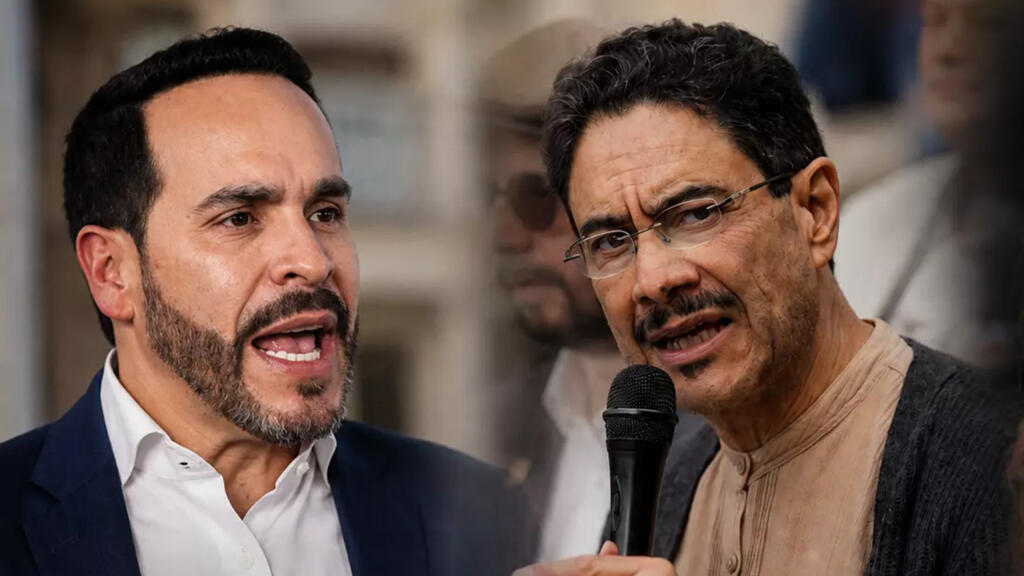
Colombia’s presidential race will head to a June 21st runoff after preliminary results from the May 31st election left the electorate split between far-right candidate Abelardo De la Espriella and leftist senator Iván Cepeda. De la Espriella, an anti-establishment lawyer with no prior political office, led the initial count with roughly 43–44% of the vote, while Cepeda, representing the Historical Pact and the political legacy of outgoing President Gustavo Petro, captured just over 40%.
Neither candidate achieved the 50% threshold needed to win outright, ensuring a high-stakes second round. Analysts note that De la Espriella’s rapid late campaign rise upended expectations, derailing what many believed would be a straightforward path for Cepeda.
Controversy Over Preliminary Results
Cepeda has openly questioned the legitimacy of the preliminary vote count, citing inconsistencies in the electoral census and discrepancies at several polling stations. He has refused to recognize the early numbers until these concerns are resolved, warning of foreign interference in the process, specifically calling out Ecuadorian President Daniel Noboa’s actions in favor of De la Espriella.
President Petro also stated he would not accept the preliminary results, emphasizing irregularities in the software used to tabulate votes and claiming that hundreds of thousands of votes may have been improperly added. Both leaders insist the official results will only be recognized after a thorough review by the judiciary.
Foreign Relations Stir Debate
The election has been further complicated by regional tensions. Two days before the vote, President Noboa of Ecuador announced the lifting of tariffs on Colombian goods, a move interpreted by some as aligning with De la Espriella. Former Ecuadorian President Rafael Correa criticized this as blatant interference and described De la Espriella’s acknowledgment of the tariff change as a “disgrace” and a potential threat to Colombian sovereignty.
Ecuador and Colombia have recently been entangled in a trade dispute, with tariffs escalating over the past months, affecting both energy and commercial exchanges. De la Espriella welcomed the tariff removal as part of broader security and anti-narcoterrorism cooperation, pledging a joint effort with Ecuador to address cross-border criminal activity.
Polarized Electorate and Campaign Tactics
De la Espriella’s campaign combined traditional populism with high-profile theatrics, including virtual campaigns with AI-generated videos and rallies featuring bulletproof podiums and a tiger mascot. His supporters, drawn to his tough-on-crime rhetoric and promises to build maximum-security prisons in remote areas, contrast sharply with Cepeda’s focus on continuity, human rights, and protections for victims of Colombia’s armed conflict.
Observers note that while De la Espriella energizes voters with spectacle and bold claims, Cepeda relies on a policy-centered message and the enduring loyalty of Petro’s base. The runoff now hinges on whether right-leaning voters coalesce around De la Espriella and whether Cepeda can appeal to moderates wary of radical shifts.
High Stakes for Colombia’s Future
With historical significance as the first time Colombia faces a runoff between clear left and right blocs, both domestic and international observers are watching closely. Turnout in the first round was high, including strong participation from Colombians abroad, particularly in the United States, signaling broad public engagement despite the ongoing controversies.
As campaigns shift into the final weeks before June 21st, voters must weigh security, economic stability, and foreign influence in deciding the nation’s direction. The election has become more than a contest between two candidates; it is a referendum on governance, external pressures, and Colombia’s political identity in a rapidly changing region.
0 Comments