
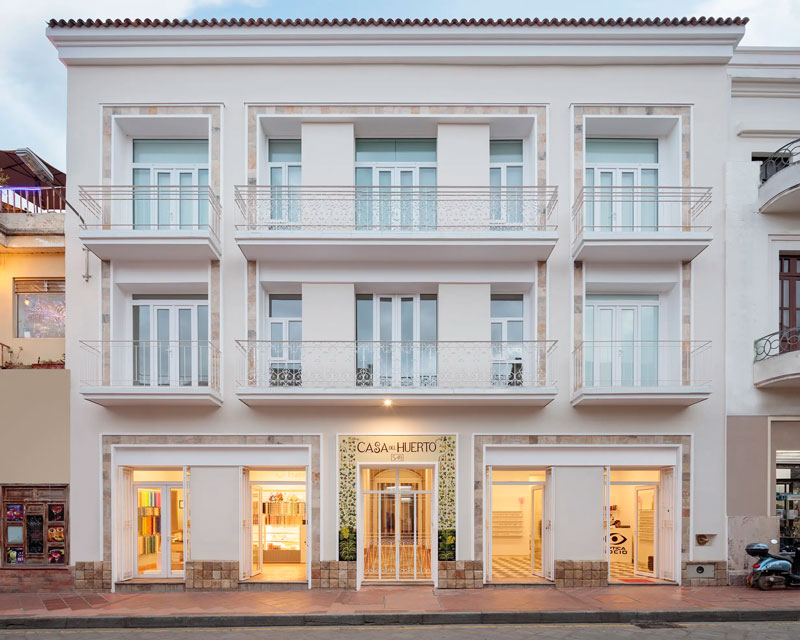
Cuenca’s real estate thrives amid Ecuador’s challenges, driven by affordability, cultural charm, and diverse housing options.
As Ecuador grapples with a recession and ongoing power outages, Cuenca has emerged as a bright spot in the country’s real estate market. The city, nestled in the southern highlands, has experienced a notable 32% increase in property demand during 2024, according to the real estate platform Plusvalia. This surge positions Cuenca as one of the most attractive cities for real estate investment in Ecuador, drawing attention for its affordability, cultural charm, and urban infrastructure.
Growth and Appeal
Construction activity in Cuenca mirrors the growing interest in the city. Data from the National Institute of Statistics and Census (INEC) reveal a 6% rise in construction permits during the first nine months of 2024 compared to the same period in 2023. This uptick underscores a resilience in Cuenca’s real estate sector, which has capitalized on the city’s architectural heritage, modern services, and relatively low cost of living.
One of Cuenca’s standout features is its balance of historical and contemporary living. Its historic center, recognized for its UNESCO World Heritage status, offers properties that capture the charm of colonial architecture, with prices averaging $1,200 per square meter. These homes provide a sense of history and prestige that appeals to both domestic and international buyers. Meanwhile, peripheral neighborhoods present more budget-friendly options, with property prices ranging between $35,000 and $650,000, catering to a wider audience of potential homeowners and investors.
Two neighborhoods, in particular, have garnered significant interest. Yanuncay, known for its spacious houses and reasonably priced apartments, attracts families and those seeking larger living spaces. On the other hand, San Sebastián is favored for its modern apartment complexes, which command slightly higher prices but appeal to professionals and those desiring a more contemporary lifestyle. Together, these areas showcase the diversity of Cuenca’s real estate offerings and its ability to accommodate various preferences and budgets.
National Comparison: Quito and Guayaquil
While Cuenca’s real estate market thrives, Ecuador’s two largest cities, Quito and Guayaquil, present contrasting dynamics that reflect their distinct economic and geographic contexts. In Quito, the capital city, over 9,000 housing units across 605 projects were available by mid-2024, as reported by market consultancy MarketWatch. The areas with the greatest availability of houses include the Valle de Los Chillos, Tumbaco, Calderón, and Pomasqui. These locations, situated on the city’s outskirts, offer more space and quieter surroundings, making them popular among families.
In Quito’s north-central financial district, apartments dominate the market due to the scarcity of land for new developments. Despite the higher population density, the area’s proximity to major businesses and amenities continues to drive demand. Prices in Quito reflect this mix of urban and suburban appeal, with an average cost of $1,262 per square meter.
Guayaquil, in contrast, demonstrates a faster-moving real estate market, with 106 projects accounting for nearly 11,000 units by mid-2024. Properties in Guayaquil sell faster, as the city boasts higher absorption rates, meaning units spend less time on the market. However, a majority of Guayaquil’s projects (70%) remain in the planning stages, compared to Quito, where 20% of projects are completed and ready for delivery. This discrepancy highlights the developmental focus in Guayaquil, which relies heavily on its status as a commercial hub.
Price disparities between the two cities further reflect their market characteristics. Guayaquil’s average property price of $1,360 per square meter surpasses that of Quito, a factor attributed to its economic activity and higher demand. “There is greater investment and development of new projects in Guayaquil,” explains Gonzalo Rueda, general manager of MarketWatch. The city’s vibrancy, coupled with its economic potential, continues to attract significant interest from developers and buyers alike.
Cuenca: A Growing Magnet for Investors
Amid Ecuador’s broader economic uncertainties, Cuenca stands out for its ability to attract investors and homebuyers alike. Its unique combination of affordability, cultural richness, and steady development marks it as a compelling choice for those seeking real estate opportunities in Ecuador. Unlike larger cities, Cuenca offers a slower pace of life without sacrificing essential services such as an airport and tram system, which enhance its connectivity and appeal.
As Cuenca continues to grow, its success serves as a testament to the city’s ability to adapt and thrive in challenging circumstances. This growth reinforces its reputation as a resilient and appealing destination, setting it apart as a beacon of opportunity within Ecuador’s real estate landscape. With a market that caters to diverse tastes and budgets, Cuenca is well-poised to remain a top choice for both investors and residents in the years to come.
0 Comments