
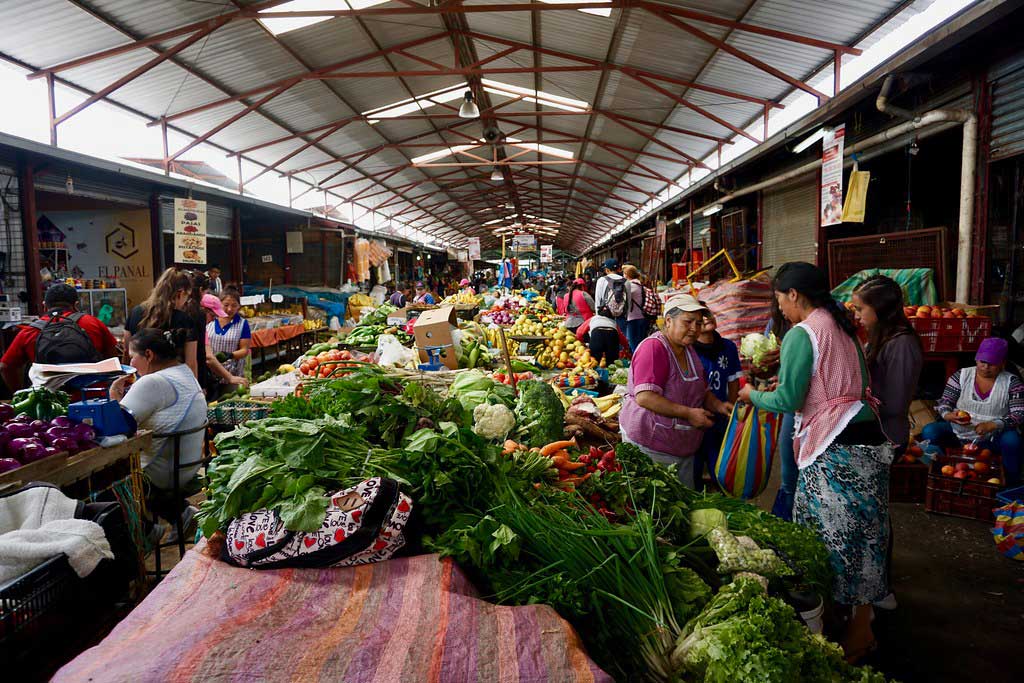
Eggs, rice, fruit and seafood are getting more expensive, squeezing neighborhood shops and lunchtime restaurants.
Sofía Arévalo used to spend about $70 stocking her small shop in Cuenca’s Las Acacias neighborhood. These days, the same trip to the Feria Libre is costing her more than $100. Something has to give: either customers pay more or she sells smaller quantities.
Arévalo, whose shop is on Avenida 10 de Agosto, is one of the local merchants dealing with a sharp increase in the cost of everyday foods. Shoppers are seeing the same problem across Cuenca’s markets, particularly at El Arenal, where vendors buy and sell produce brought in from around the country.
The increases are not small. A box of apples that cost $28 recently sold for $34. A dozen pineapples went from $22 to $24, while a box of blackberries jumped from $4 to $5.50. A tray of eggs that sold for $3.10 climbed to $4.50.
Rice has been another headache for shopkeepers. Arévalo said a quintal that cost $49 three months ago now costs more than $61, adding at least $12 to a staple that many Ecuadorian families buy every week.
Lunch may be the next casualty
At a small restaurant in El Batán, owner Gladys Ortega has tried to hold the line. She is still selling lunches for $2.50 even as the ingredients cost more. Ortega said she may soon have to raise the price by at least 50 cents — a 20% increase for customers accustomed to an inexpensive almuerzo.
For businesses with narrow margins, the price of a few ingredients can determine whether a daily lunch remains profitable. Restaurants must buy food repeatedly and cannot stockpile perishable items indefinitely. Neighborhood stores face a similar problem: customers notice price increases immediately and may simply buy less.
Seafood vendors have also reported higher costs. Carmen Cedeño, who sells seafood at El Arenal, said prices rose by around 50 cents a pound. She linked the increases to warmer ocean water and changes in where fish are being caught.
Weather and speculation
Some vendors attribute higher prices to the effects of El Niño, especially on supplies from the Coast. Patricio Peña, president of the Señor de la Buena Esperanza cooperative at El Arenal, said seasonal conditions have also pushed up the price of fruits used for colada morada, the traditional holiday drink.
Fruit prices also matter to families preparing for the Day of the Dead celebrations. Ingredients for colada morada can become more expensive as demand rises, just when weather-related transport and supply problems are already troubling vendors. Some shoppers may switch markets or look for seasonal substitutes, while small vendors have little room to absorb increases on ingredients they buy in bulk.
Azuay Governor Xavier Bermúdez says authorities are watching for speculation and have opened a channel for confidential complaints. Officials say merchants who exploit shortages to impose unjustified increases can face sanctions.
Government agriculture officials publish reference price ranges through the SIPA system, using market information collected at El Arenal and elsewhere. Those ranges help authorities identify unusual prices, although they do not prevent an individual stall from charging more.
0 Comments