
Colombia and Peru’s successful diversification efforts provide critical insights for Ecuador as it battles energy vulnerabilities.
In 2024, Ecuador experienced its most severe energy crisis in over six decades, sparked by the worst drought in 61 years. This catastrophic event led to extensive power rationing that left the country without electricity for up to 14 hours a day, incurring economic losses of approximately $12 million per hour. The drought exposed deep vulnerabilities in Ecuador’s energy structure, with the country heavily reliant on hydroelectric power for its electricity supply. Currently, 72% of Ecuador’s energy generation comes from hydroelectric sources, making it especially susceptible to climate variations.
According to the recent study, “Evolution of electricity consumption and generation in Ecuador: analysis of the energy balance and diversification of the energy matrix (2021-2024),” Ecuador’s energy crisis reveals the dangers of its over-reliance on hydropower. The study highlights that, during dry periods, hydroelectricity can account for as much as 90% of the country’s total power generation, leaving Ecuador vulnerable to droughts and extreme weather conditions. The consequences of this dependency have been made even clearer by data from the Electricity Regulation and Control Agency (Arconel), which shows that while hydroelectric generation still dominates, the country’s energy mix has been increasingly supplemented by thermal generation from fossil fuels.
This shift toward thermal plants has escalated over the past year, with the share of thermal energy increasing from 21.90% in January 2024 to 31.45% in January 2025. The growing reliance on fossil fuels is seen as a temporary solution to maintain system stability but underscores the inadequacy of the country’s energy infrastructure in facing future challenges.
How Colombia Built a Resilient Energy System
In contrast to Ecuador’s vulnerability, Colombia has become a model of energy resilience. While Colombia faced its own energy crises in the past, such as the “Gaviria hour” of 1992-1993, the country learned from these challenges and built a more flexible, diversified energy system. Central to this transformation was the development of a solid regulatory framework through the Public Services Law of 1994 and the Electricity Sector Law of 1994, which facilitated the separation of energy generation, distribution, and marketing.
By 2014, the integration of non-conventional renewable energy projects was encouraged through Law 1715, which provided tax incentives for renewable energy development. As a result, Colombia’s energy matrix has become increasingly diversified, with 69% of its energy derived from hydroelectric power and 30% from thermal generation. The key to Colombia’s success lies in its energy flexibility. During periods of drought, thermal plants can generate up to 45% of the country’s energy, ensuring that Colombia’s power grid remains stable even during critical times.
Beyond structural reforms, Colombia’s preventive approach contrasts sharply with Ecuador’s reactive response. In anticipation of the dry season in 2024, Colombia’s Ministry of Mines and Energy implemented proactive measures to safeguard energy supply. These measures included increasing thermal generation capacity and limiting energy exports to neighboring countries like Ecuador to prioritize domestic consumption.
Peru’s Strategic Use of Natural Gas
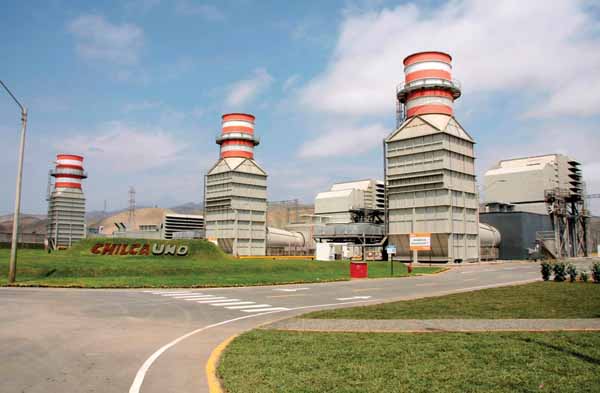
Peru has taken a different, yet equally effective, approach to energy diversification. The country has embraced natural gas as a key component of its energy security strategy. Natural gas serves as a reliable backup for hydropower, particularly during periods of low rainfall, when hydroelectric plants are unable to meet demand. According to the Ministry of Energy and Mines, Peru’s energy mix is composed of 55% hydropower and 37% thermal power, with natural gas making up the majority of the thermal generation.
Peru’s dual strategy of using natural gas as a transitional energy source while simultaneously expanding its renewable energy capacity has enabled the country to maintain a stable power supply. The country has also seen impressive growth in renewable energy generation, particularly from wind and solar sources. The Peruvian government has set ambitious goals to increase non-conventional renewable energy from 8% to 20% of total energy production by 2030, which aligns with global efforts to reduce greenhouse gas emissions.
A Critical Energy Moment for Ecuador
As Ecuador grapples with ongoing power shortages and negative capacity reserves, the country faces a critical juncture. According to the National Interconnected System Operation Plan for 2025, Ecuador is at risk of further rationing unless it addresses its energy deficiencies. The country’s energy system is operating with minimal reserves, making it difficult to respond effectively to emergency situations.
By contrast, both Colombia and Peru have developed systems that allow for quick responses to fluctuations in energy supply. Colombia’s thermal backup capacity and Peru’s growing use of storage technologies like the Chilca-BESS system provide them with the flexibility needed to weather extreme weather events and unexpected fluctuations in energy demand.
Ecuador’s Nuclear Energy Bet
In a bid to diversify its energy mix, Ecuador has recently taken a bold step toward nuclear energy. In May 2025, the government signed a Memorandum of Understanding with the International Atomic Energy Agency (IAEA) to explore nuclear energy for peaceful purposes. Minister of Energy and Mines Inés Manzano emphasized that nuclear power would help ensure a stable energy supply while diversifying the country’s energy sources.
This move toward nuclear energy is a significant shift for Ecuador, which has traditionally relied on hydropower and thermal generation. While nuclear energy offers a stable and reliable source of power, its implementation is expected to take several years and will require substantial investment, estimated at over $4 billion. This long-term commitment raises questions about Ecuador’s ability to address its immediate energy crises, as the country continues to face power shortages and negative capacity reserves.
A Long Road to Energy Resilience
Ecuador’s energy crisis serves as a stark reminder of the risks posed by an over-reliance on a single energy source. While Colombia and Peru have built flexible, diversified systems that can withstand extreme weather events, Ecuador’s energy infrastructure remains vulnerable. The country’s shift toward thermal generation and exploration of nuclear energy represents important steps forward, but the urgency of implementing a comprehensive energy diversification strategy is clear. As Ecuador faces its energy challenges, the lessons learned from Colombia and Peru offer critical insights for building a more resilient and sustainable energy future.

Nuclear power generation requires massive amounts of water for cooling, which would not be possible during drought.
The process also produces massive amounts of radioactive waste, which is a danger to the environment. Better to go clean
Imagine if Ecuador spent $4 billion dollars on solar farms and wind farms and really focused on the thermal energy so common in this country.
Hydro is good but continuing droughts across South America demonstrate that the reliability is questionable. But there is always sun and wind.
Can we store the nuclear waste on banana farms? Or will we just keep it on site for the next 10,000 years. In a region with so many geological challenges, and with nuclear requiring large amounts of cooling water, wouldn’t PROVEN solar and wind offer us a better alternative?