
Strong international demand and new markets drive 2025 growth in non-traditional produce exports.
Ecuador’s fruit exports take off
Ecuador’s non-traditional tropical fruit exports are enjoying a record year, expanding 38% in value between January and August 2025 compared to the same period last year. According to data from the Central Bank, the surge has been driven by strong demand for products like pitahaya, pineapple, and passion fruit—fruits that have rapidly gained international recognition for their quality and flavor.
The Ministry of Production said the success underscores Ecuador’s growing competitiveness in agricultural exports beyond its traditional staples. “The dynamism of the non-traditional sector is reshaping Ecuador’s export portfolio,” the ministry noted in a statement released on October 15th.
Pitahaya dominates with 40% growth
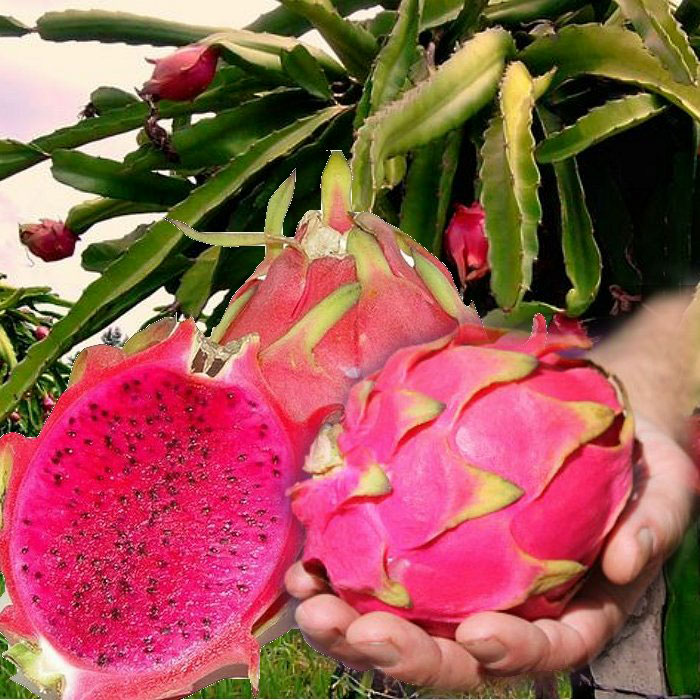
Pitahaya, or dragon fruit, continues to lead the country’s non-traditional fruit exports, with shipments reaching $179.9 million through August—40% higher than in 2024. The United States, European Union, and Canada remain its top destinations, but 2025 also marked the fruit’s debut in Argentina, Guatemala, and Costa Rica, signaling Ecuador’s expanding foothold in Latin American markets.
Pineapple followed as the second-most valuable tropical fruit export, reaching $52 million, a 27% increase over last year. Its main markets include the European Union, the United States, and Chile, where Ecuadorian producers are capitalizing on higher demand for fresh and sustainably sourced produce.
Emerging stars: passion fruit, tree tomato, and avocado
Passion fruit exports recorded the highest relative growth among the smaller fruit categories—up 67%, with $7 million in shipments through August. Tree tomato exports grew by 43%, while avocados, now reaching markets in Argentina and Costa Rica for the first time, saw a more moderate 9% increase to $3.4 million.
The European Union and the United States remain the main importers of Ecuador’s passion fruit, followed closely by Colombia. Meanwhile, the country’s producers are continuing to explore opportunities for niche fruits in high-value health-conscious markets.
Breaking into new global destinations
This year has been particularly notable for Ecuador’s entry into a range of new international markets. Blueberries reached the United Arab Emirates for the first time, soursop found a market in Colombia, blackberries arrived in Argentina, strawberries made their debut in Costa Rica, mandarins entered the U.S. market, and dragon fruit reached Argentina, Guatemala, and Costa Rica.
Ecuador also exported mangosteen to the European Union, Canada, and the United Kingdom for the first time—underscoring the diversification of both its agricultural production and its trading partners.
Non-oil exports remain strong
Beyond tropical fruits, Ecuador’s overall non-oil exports increased by 20% through August 2025, reaching $19.15 billion. Shrimp continues to dominate the sector, generating $5.56 billion in export value—a 19% rise that keeps it ahead of oil as the country’s largest export.
Cocoa ranked second among traditional non-oil exports, with sales of $2.99 billion, reflecting an impressive 65% surge driven by higher global prices and expanding processing capacity. Bananas and plantains also maintained steady growth, reaching $2.89 billion in value, up 14% from last year.
The country’s strong export performance highlights its growing ability to compete across diverse sectors—from traditional commodities to emerging agricultural products—suggesting that Ecuador’s “green gold” may soon refer not only to bananas, but also to pitahaya and the expanding family of tropical fruits reshaping its economy.

0 Comments