
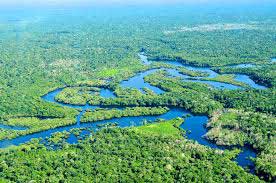
Ecuador issues $1 billion bond in a landmark debt-for-nature swap to protect Amazon hydrological basins and biodiversity.
Ecuador is advancing its second debt-for-nature swap with the issuance of a $1 billion bond aimed at protecting hydrological basins in the Ecuadorian Amazon. This financial move, advised by Bank of America, brings the country closer to completing a debt exchange tied to environmental conservation.
The initiative underscores Ecuador’s commitment to integrating ecological preservation into its economic strategies, setting an example for other nations seeking sustainable development.
Bond Issuance and Investor Participation
On December 10, 2024, the government of President Daniel Noboa marked a significant milestone in its conservation-focused debt restructuring plan. Amazon Conservation DAC, an organization dedicated to environmental initiatives, issued a $1 billion bond, according to Bloomberg.
The same day served as the deadline for international bondholders to declare whether they would sell their Ecuadorian debt securities to Amazon Conservation DAC as part of the debt swap process.
This issuance followed a prior step taken on December 3, 2024, when Amazon Conservation DAC launched an offer to purchase four series of Ecuadorian bonds. These bonds, originally issued in 2020, are set to mature in 2030, 2035, and 2040. Santiago Mosquera, dean of the Business School at the University of the Americas (UDLA), explained that the organization’s intention to repurchase these bonds was central to the swap process.
By raising $1 billion through the new bond issuance, Ecuador can now decide how many of the old bonds to repurchase from each tranche.
This flexibility allows the country to optimize its financial strategy while meeting environmental objectives, Mosquera noted. Additionally, this process is seen as a critical step in ensuring the financial viability of conservation projects in the Amazon region.
Favorable Bond Conditions
The newly issued bond comes with an interest rate of 6.034% and a maturity date of 2042, as reported by Bloomberg.
Mosquera highlighted that the favorable conditions of this bond issuance were made possible through guarantees from the Inter-American Development Bank (IDB) and insurance from the International Development Finance Corporation (DFC). Bank of America played a critical role as the advisor in structuring and placing the bond, ensuring it attracted the necessary investor confidence.
These favorable conditions not only reflect Ecuador’s credibility in international markets but also underline the growing recognition of environmental investments as viable and sustainable financial instruments. The bond’s terms provide the government with greater leeway to focus on long-term ecological goals without compromising its fiscal responsibilities.
Understanding Debt-for-Nature Swaps
Debt-for-nature swaps enable governments to reduce external debt volume or improve repayment terms by committing a portion of the savings to environmental conservation.
Ecuador executed its first such swap in May 2023, channeling resources toward protecting the Galapagos Islands. That initial effort served as a blueprint for the current initiative, demonstrating the potential of such mechanisms to balance economic and environmental priorities.
In the current arrangement, Amazon Conservation DAC offers to buy back Ecuador’s outstanding bonds maturing in 2030, 2035, and 2040 at a discounted price. To finance this purchase, the organization issued the new bond with extended repayment terms, allowing Ecuador more time to meet its obligations. This extended timeline is particularly advantageous, as it provides breathing room for the government to allocate resources more effectively toward conservation initiatives.
Savings achieved through purchasing older bonds at a discount are earmarked for conservation projects. According to Mosquera, this swap will focus on safeguarding the hydrological basins of the Ecuadorian Amazon and the Pacific coast off Ecuador’s shores.
These areas are critical for maintaining biodiversity, regulating water cycles, and supporting local communities that depend on these ecosystems for their livelihoods.
This innovative approach demonstrates how financial mechanisms can align with environmental goals, marking a significant step toward sustainable development and ecological preservation. By leveraging global financial tools and partnerships, Ecuador is not only addressing its debt challenges but also reinforcing its role as a global leader in conservation efforts.
The success of this initiative could inspire similar strategies in other countries, highlighting the potential of collaborative efforts in tackling the dual challenges of economic and environmental sustainability.

0 Comments