
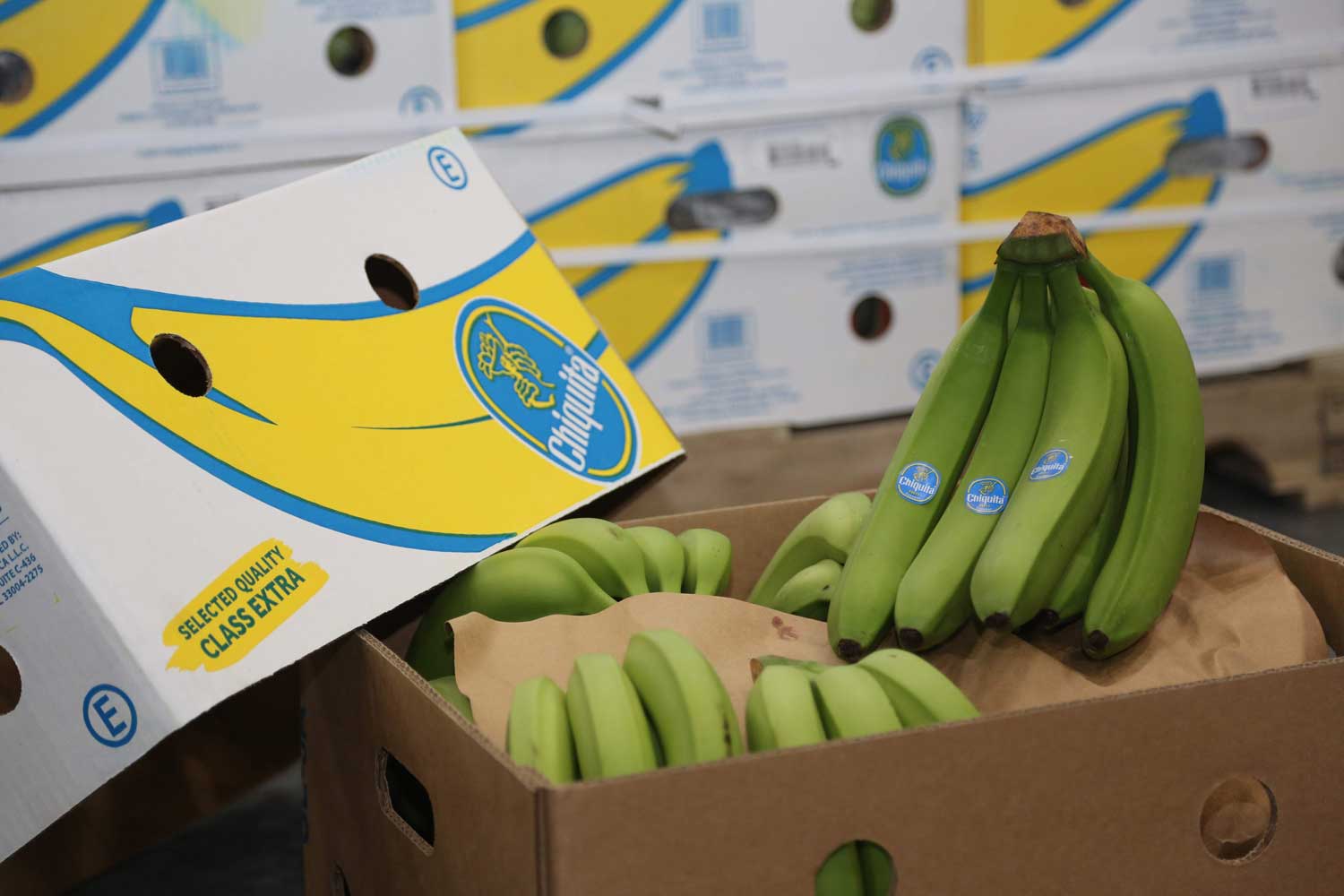
A recent study commissioned by the European Commission has revealed alarming levels of cocaine contamination in Ecuador’s major seaports, particularly in Guayaquil and Machala.
The report indicates that a staggering 68% of export products, primarily bananas and other agricultural goods, are at risk of drug contamination during transit, posing serious challenges for exporters and authorities alike.
Cocaine Smuggling Methods Exposed
According to the report titled Security in the Ports of Guayaquil, which analyzed data over a six-month period, the primary method of cocaine smuggling involves hiding the drugs within legitimate export cargo.
The findings highlight that 70% of all contraband cocaine entering Europe from Ecuador is concealed in banana shipments, either added at farms or during transport to ports.
Even sealed or refrigerated containers are not immune, as traffickers have been known to introduce drugs during port operations or while vessels are en route.
In addition to bananas, the report notes an increase in cocaine being hidden in hollow pineapples and a troubling rise in drug-contaminated tuna shipments. The contamination risk extends beyond agricultural products; unregistered intermediaries, referred to as “cuperos,” exploit gaps in regulatory oversight to manage illegal exports, heightening vulnerabilities in the export logistics chain.
Infiltration and Port Security Challenges
The report outlines that 20% of drug contamination occurs within the ports themselves, particularly during loading and unloading operations. Factors contributing to this issue include inadequate security measures, compromised personnel integrity, and limited container scanning capabilities. As of May 2024, only 30% of containers passing through the ports had undergone scanner inspections, a figure that underscores a significant security gap.
Although contamination from ships and vehicles is reported to be minimal, traffickers have been known to hide drugs in double bottoms of vehicles and within the cabins of ships. Concerns have also been raised about the risk of illegal cargo affixed to the hulls of vessels at ports such as Machala, prompting recommendations for underwater inspections by divers.
Economic Impact on Exporters
Exporters face the brunt of these challenges, investing approximately $200 million annually to mitigate drug contamination risks.
The Ecuadorian banana exporters alone are reported to spend around $100 million each year on security equipment and inspections for about 40% of their shipments. Despite these efforts, exporters often find themselves unfairly shouldering the consequences of drug trafficking, including potential arrests following the discovery of illicit goods in their containers.
José Antonio Hidalgo, executive director of the Association of Banana Exporters of Ecuador (AEBE), expressed frustration over the current system, stating that the responsibility for illegal contents should extend beyond exporters to include all parties in the supply chain. He emphasized the significant costs incurred for scanning fees and inspections, which compromise their competitiveness against other banana-exporting countries.
Calls for Enhanced Oversight and Accountability
As Ecuador grapples with the pervasive issue of drug trafficking and its impact on international trade, the study calls for urgent reforms to improve security and accountability within the export logistics framework. Enhanced inspections and regulatory oversight are critical to restore credibility to Ecuadorian exports, which are increasingly threatened by the infiltration of narcotics into legitimate supply chains.
The findings of this report serve as a wake-up call for both the Ecuadorian government and the international community, highlighting the need for collaborative efforts to combat drug smuggling and safeguard the integrity of the nation’s exports. The stakes are high, as the future of Ecuador’s agricultural sector hangs in the balance amid growing concerns over drug-related contamination.
0 Comments