
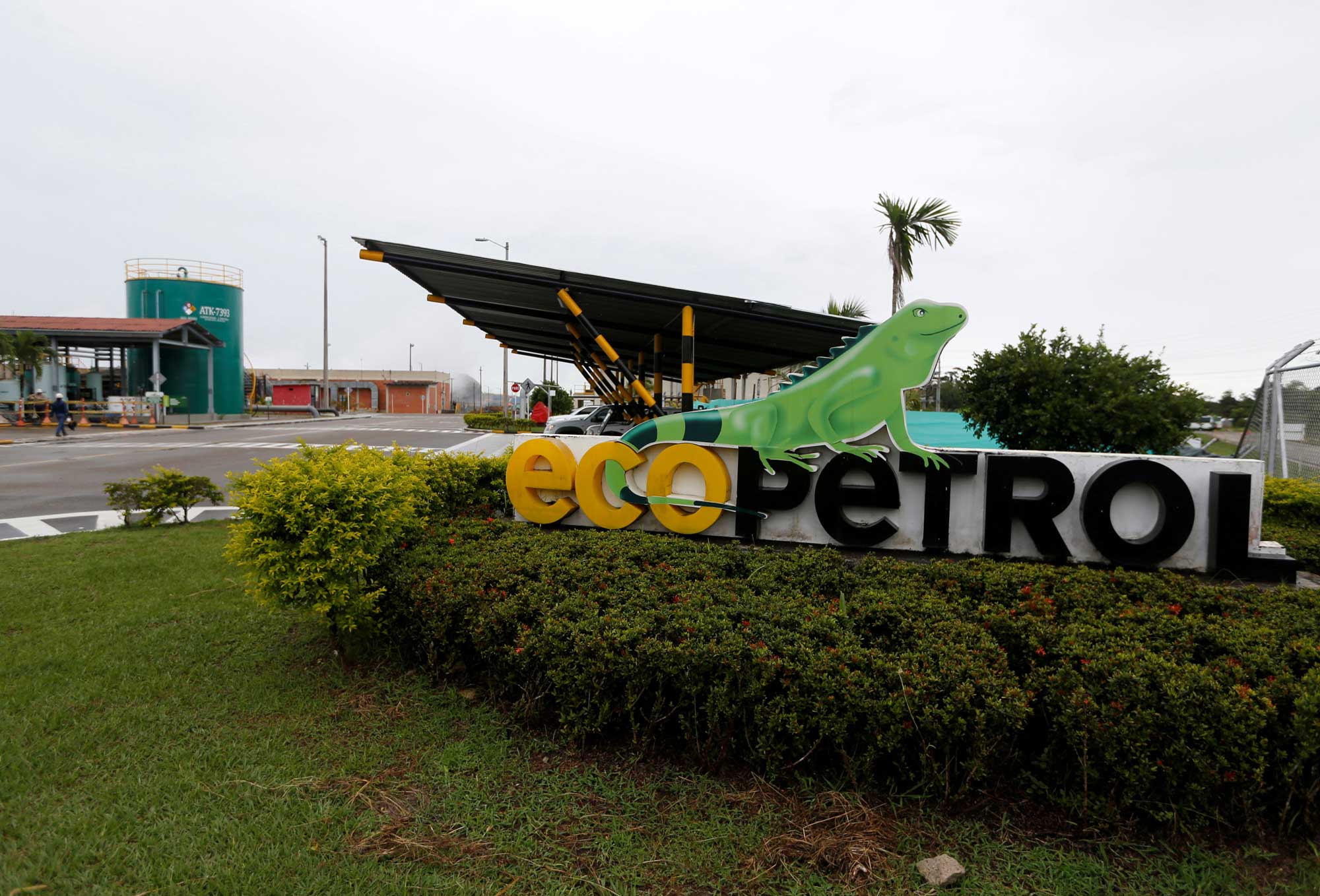
As Ecuador grapples with a severe energy shortage, Colombia has agreed to provide a much-needed supply of electricity, marking a breakthrough in regional energy cooperation.
By the end of next week, Colombia’s state-owned energy company, Ecopetrol, will supply Ecuador with 195 megawatts (MW) of power, according to Ecuador’s interim Minister of Energy and Mines, Inés Manzano.
This deal, facilitated by Ecopetrol’s marketing agent, represents the first-ever contract of its kind between Ecuador’s government and a private entity from Colombia.
Historic Deal Amid Regional Challenges
Negotiations between Ecuador’s government and Ecopetrol began after Colombia initially declined to resume energy exports to Ecuador. However, Manzano, along with Ecopetrol’s executives, found an innovative path forward.
This contract is an unprecedented arrangement in Latin America, highlighting the flexibility and “recursive” thinking that enabled both sides to overcome regulatory and logistical barriers.
Initially, the contract was for 70 MW, later increased to 100 MW, and finally raised to 195 MW. The supply will come from two sources: Ecopetrol itself, which will deliver 70 MW, and Thermocenter, contributing an additional 125 MW.
Currently, tests are underway to ensure the connection’s stability, with the full supply expected to be operational by the end of next week.
Energy Strategies and Demand Management
While both Ecuador and Colombia face drought conditions that strain hydroelectric resources, Colombia has a significant advantage in its “thermal park”—a backup system that uses thermal power plants to maintain energy reliability. This infrastructure allows Colombia to supplement hydroelectricity during times of drought, an option that Ecuador currently lacks.
Colombia’s approach also includes voluntary demand reduction measures, where industrial sectors such as mining and oil temporarily reduce energy consumption, freeing up surplus electricity for Ecuador.
Colombian Minister of Mines and Energy Andrés Camacho confirmed that a resolution formalizing these arrangements is in its final consultation phase, expediting the regulatory steps required to implement the deal.
Manzano added that Ecuador’s Attorney General is reviewing the contract’s arbitration clause as part of the final approval process. Given Ecuador’s urgent need, she expects this review to proceed rapidly.
Government Reconsiders Contracts with Unreliable Suppliers
In parallel with the Colombia deal, Ecuador’s government is reassessing its existing energy supply agreements amid delays from Progen Industries LLC, the company contracted to deliver 150 MW through power installations in Salitral and Quevedo.
The government has already issued non-compliance notifications to Progen for failing to meet contract deadlines, citing civil issues in Quevedo and other delays in Salitral.
Ecuador is now considering a unilateral termination of Progen’s contract. Minister Manzano emphasized the importance of protecting Ecuador’s economic resources, stating that further delays from Progen cannot be tolerated. If the termination proceeds, the government will seek alternative suppliers to address the energy shortfall.
Exploring Barge-Based Solutions
To stabilize energy supplies in the interim, Ecuador is exploring the option of hiring a new power-generating barge from San Diego, which could potentially supply 300 MW.
This would supplement the 100 MW currently provided by a floating generation ship from Turkish company Karpowership, which began operations on September 16th.
The Progen contract, signed on August 2nd, had outlined delivery deadlines for the two installations: Salitral was initially expected to supply 100 MW by November 15th, with a maximum deadline of December 9th, while Quevedo’s 50 MW unit was due by the end of November. These delays have forced the government to consider alternative measures to ensure uninterrupted power supply during Ecuador’s ongoing energy crisis.

0 Comments