
Report outlines alleged financial harm, disputed termination decisions, and unresolved questions over road safety and public resources
The fallout from Cuenca’s controversial traffic radar contract intensified this week after the Comptroller’s Office released an audit that points to alleged criminal indications, administrative faults, and civil liabilities totaling more than $5.4 million, reopening a bitter dispute between the city’s current and former leadership.
At the center of the controversy is a contract signed in 2022 for the installation and operation of speed control radars on the Cuenca–Azogues highway and at key urban intersections. The agreement, awarded to a private consortium, was terminated by mutual consent in 2023 under Mayor Cristian Zamora, who had campaigned on a promise to dismantle what he described as an abusive and illegitimate system of traffic enforcement.
The Comptroller’s findings, approved on December 18th, challenge that decision and its financial consequences, arguing that the way the contract was executed and later terminated caused measurable harm to the Municipal Mobility Company (EMOV) and left public assets underused.
Audit findings and alleged losses
According to the audit, the contract suffered from multiple irregularities during its execution phase. The speed cameras began operating 143 days later than scheduled, a delay the Comptroller attributes to inadequate oversight and failures by contract administrators to conduct timely inspections or properly manage pre-operational testing.
Inspectors also found deficiencies in the installation and verification of 32 radar devices placed at 16 locations across the city. These problems, the report states, disrupted the sanctioning process and prevented traffic fines from being issued as planned. Compounding those issues was a failure to fully certify that the devices met the technical specifications required under the contract, leaving regulators unable to confirm whether the equipment complied with agreed parameters.
The audit further notes that the consortium was not formally notified of shortcomings related to its second-year investment obligations, a lapse that weakened the municipality’s position when the agreement was brought to an end.
The most significant financial concern centers on the termination itself. The Comptroller argues that the decision to end the contract by mutual agreement was not supported by sufficient analysis demonstrating its benefit to institutional interests. In particular, auditors criticized how EMOV calculated the value of outstanding traffic fines, concluding that the methodology ignored collection data and historical payment rates. As a result, the oversight body estimates that nearly $4.9 million in potential revenue was not recovered.
In total, the report recommends administrative sanctions of just over $73,000 and civil liabilities exceeding $5.48 million, while also citing evidence that could give rise to criminal proceedings.
Zamora’s defense and planned appeal
Mayor Zamora has rejected the Comptroller’s interpretation, insisting that the audit validates his long-standing criticism of the radar system rather than undermining it. He argues that the contract itself was flawed from the outset and that ending it prevented what he calls an unjustified drain on residents’ finances.
In public statements and on social media, Zamora framed the dispute as a clash of priorities, saying the oversight body focused narrowly on lost revenue while ignoring the broader public interest. He maintains that the decision to halt fines was deliberate and ethical, even if it reduced income for EMOV, and insists it was taken to protect citizens from what he characterizes as an improperly structured agreement.
The mayor has announced that his administration will challenge parts of the report through administrative and judicial channels. He has also expressed support for both the former and current managers of EMOV, arguing that the uncertainty surrounding future fine payments and legal appeals makes it impossible to accurately predict how much revenue would ultimately have been collected.
Idle equipment and road safety concerns
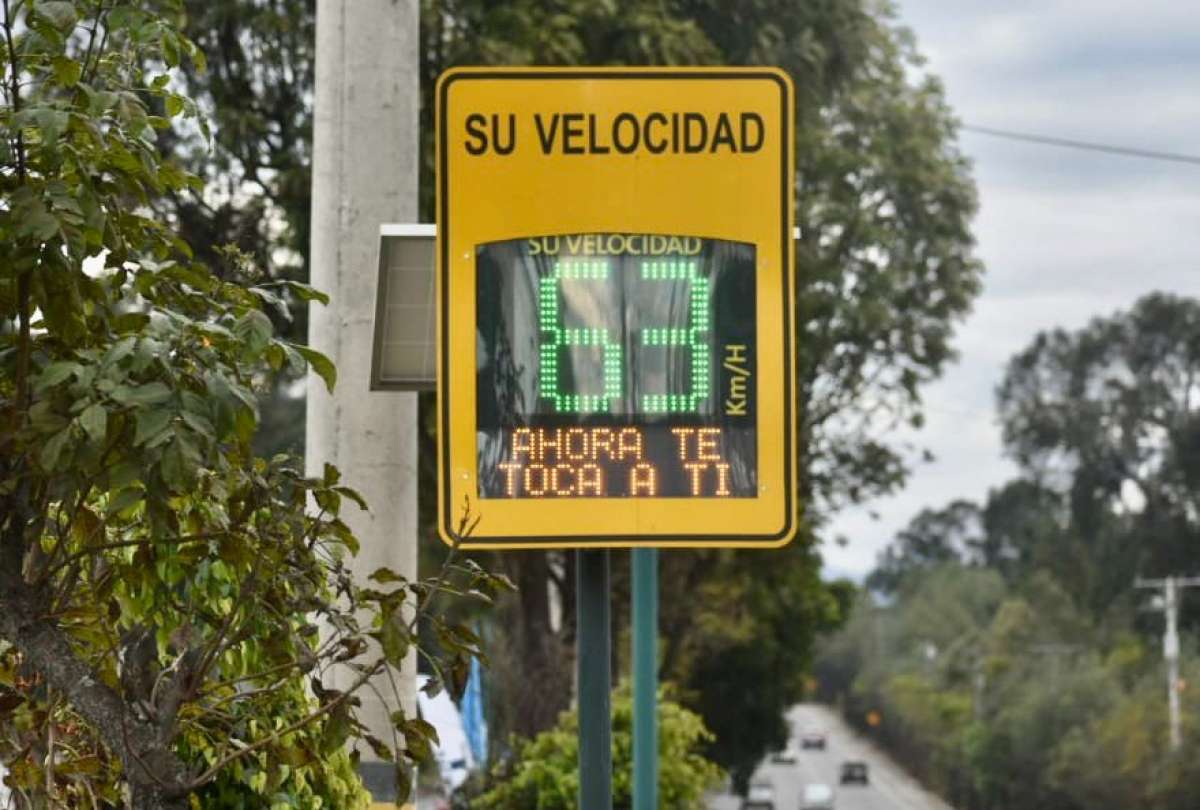
While the radars remain physically installed across the city and along the Cuenca–Azogues corridor, they have not issued fines since the contract’s termination. The Comptroller describes this situation as an inefficient use of public resources, warning that unused equipment is vulnerable to deterioration, obsolescence, and ongoing maintenance costs without delivering tangible benefits.
The audit goes further, linking the lack of active speed enforcement to increased risks for pedestrians, cyclists, and drivers. Auditors argue that the absence of radar-based controls has weakened road safety measures on major routes, potentially raising the likelihood of traffic accidents.
A contract that shaped an election
The radar system was politically contentious long before the audit. One of the most criticized aspects of the agreement was the revenue-sharing arrangement, under which the private operator would retain 40 percent of fines issued. That provision fueled public resentment and became a focal point of opposition during the last municipal election.
As a city councilor at the time, Zamora emerged as one of the contract’s most vocal critics. His pledge to shut down the radars became a defining campaign promise, culminating in a highly publicized announcement in August 2023 declaring the end of the system shortly after he took office.
Former mayor pushes back
Former mayor Pedro Palacios has used the audit to counter Zamora’s narrative, arguing that the problems identified stem from the termination process rather than the original contract. He has pointed out that earlier audits of the agreement, conducted years earlier, did not flag major legal flaws, only routine observations and recommendations.
Palacios contends that the latest report highlights weaknesses in how the contract was dismantled, questioning whether the mutual termination truly served the municipality’s interests. In his view, branding the radars as fraudulent oversimplifies a more complex administrative failure.
Broader scrutiny of municipal management
The radar audit is not the only recent scrutiny facing Cuenca’s municipal government. Earlier this month, the Comptroller released a separate report identifying irregularities across multiple municipal processes, most of them dating to the previous administration but including one procurement carried out under Zamora’s tenure.
Together, the findings have sharpened tensions between City Hall and oversight authorities, with the mayor alleging political motivations behind the audits and the Comptroller insisting its role is purely technical. As appeals loom and potential legal actions remain unresolved, the dispute over Cuenca’s radars has evolved from a local traffic issue into a broader test of accountability, governance, and how public interest is defined.
0 Comments