
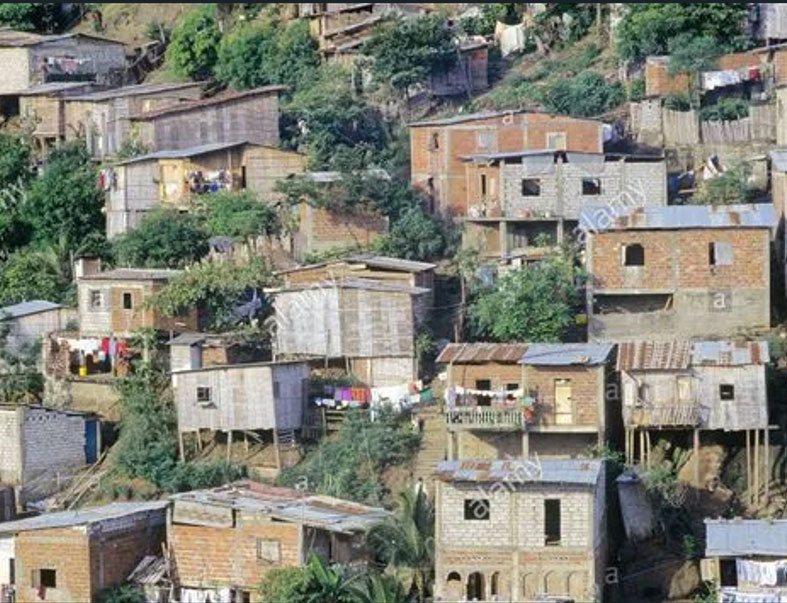
Ecuador faces rising poverty, worsening job conditions, and growing inequality as informal employment and economic struggles intensify.
Ecuador’s labor market and economic conditions have deteriorated significantly as 2024 came to a close, with informal employment reaching its highest level in nearly two decades and poverty levels climbing to their worst since the COVID-19 pandemic. A combination of economic stagnation, power outages, and declining wages has left millions of Ecuadorians in precarious financial situations.
Labor Market Under Pressure
According to the National Institute of Statistics and Census (INEC), adequate employment—defined as working at least 40 hours per week while earning the minimum wage of $470—dropped to 33% in December 2024. This marks a 2.9 percentage point decline from 35.9% in December 2023. Though INEC does not classify this shift as statistically significant, the downward trend signals ongoing challenges in job stability.
As a result, underemployment rose to 24.5% at the end of 2024, up from 21.2% a year earlier. This means more Ecuadorians are either working fewer than 40 hours per week or earning less than the minimum wage.
Meanwhile, informal employment surged to 58% in December 2024, reaching its highest rate since 2007. The growth of informal jobs highlights an expanding segment of the workforce without legal protections, benefits, or stable income—factors that contribute to overall economic vulnerability.
Further compounding the situation, the average income of Ecuadorian workers fell to $354.6 per month, a decline of $45.3 compared to the previous year. This drop reflects the broader economic strain on households, exacerbating financial hardships for many families.
Poverty and Extreme Poverty on the Rise
The economic downturn has also led to an increase in poverty rates. By December 2024, 28% of Ecuadorians were living in poverty, up from 26% a year earlier. This translates to 5.2 million people earning less than $91.43 per month, an increase of more than 432,000 individuals falling into poverty over the past year.
Extreme poverty saw an even steeper rise, climbing from 9.8% in December 2023 to 12.7% at the end of 2024. This means nearly 2.4 million Ecuadorians now live on less than $51.53 per month, a sharp increase of 555,000 people in just one year.
These poverty levels are the highest Ecuador has seen since June 2021, when the nation was still grappling with the fallout from the COVID-19 pandemic. The surge in poverty is largely attributed to the economic impact of prolonged power outages, which lasted up to 14 hours per day in the last quarter of 2024. These blackouts disrupted businesses, reduced productivity, and led to further losses in household income.
Rising Inequality
Income inequality has also worsened in Ecuador. The Gini coefficient, which measures income disparity on a scale from 0 to 1 (with higher values indicating greater inequality), increased from 0.457 in December 2023 to 0.463 in December 2024. Though the INEC does not consider this shift statistically significant, the rising inequality underscores the widening economic gap between wealthier and poorer Ecuadorians.
The Road Ahead
As Ecuador enters 2025, the country faces significant economic challenges. The combination of rising poverty, increasing informal employment, and falling wages paints a bleak picture for millions of Ecuadorians. Addressing these issues will require targeted economic policies, investment in infrastructure to prevent future power crises, and efforts to create more formal job opportunities. Without meaningful interventions, the country’s economic struggles may continue, deepening financial hardships for its most vulnerable citizens.
I question why the government is going to give 3 months minimum salary to the illegals coming back from the US? How can Ecuador afford this as that is $405M?
Very good article, and it would be much better if you could cite the sources