
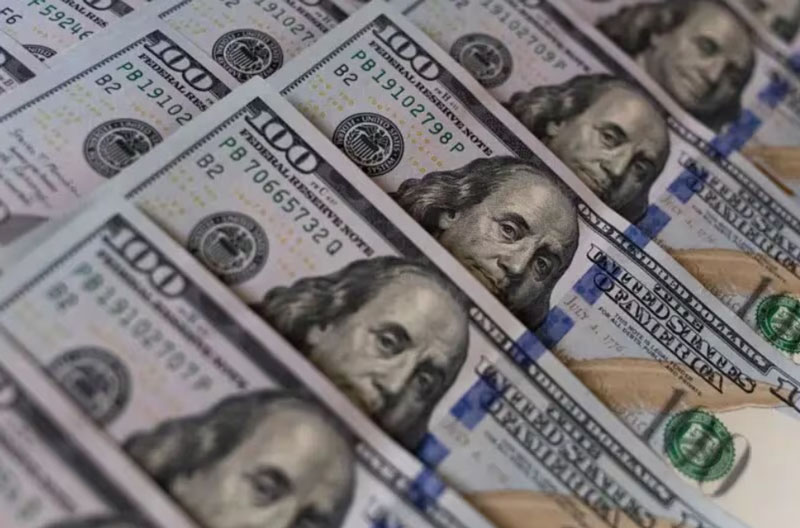
Ecuador’s dollarization has ensured stability, but its economic growth remains hindered by oil dependency and public debt.
On January 9, 2000, Ecuador adopted the U.S. dollar as its official currency amid a devastating financial collapse. Two and a half decades later, the decision remains one of the country’s most enduring and debated economic policies, surviving eight governments, political turbulence, and global crises. The system, while widely popular, reveals a complex legacy of economic stabilization, unresolved challenges, and cautious optimism for the future.
Crisis and Collapse: The Road to Dollarization
The seeds of dollarization were sown in the late 1990s when Ecuador’s economy spiraled into chaos. The sucre, Ecuador’s national currency, suffered unprecedented devaluation. By the end of 1999, its value had plummeted from 7,119 to 18,287 sucres per dollar—an astonishing 276% depreciation within a single year. The situation reached a breaking point on March 8, 1999, when President Jamil Mahuad declared a banking holiday, freezing accounts and locking thousands out of their savings.
This drastic measure sought to halt the collapse of a financial system crippled by capital flight, runaway inflation, and a tax on financial transactions. Yet, it only deepened public distrust in the sucre. With savings eroded and purchasing power devastated, Ecuadorians faced bread lines and runaway costs. A baguette cost 5,000 sucres; a bus ride, 1,000. By January 2000, the exchange rate teetered near 30,000 sucres per dollar, a symbolic collapse of national confidence in the currency.
Amid this turmoil, Mahuad announced dollarization. The move, priced at 25,000 sucres per dollar, officially replaced the beleaguered sucre with the U.S. dollar. Economist Marco Naranjo recalls that the measure formalized what many Ecuadorians had already done, as businesses and individuals had begun transacting in dollars to safeguard their finances.
A Radical Solution, Painful Consequences
The transition to dollarization came at an extraordinary cost. For savers, the shift wiped out fortunes. A bank balance of 100 million sucres in 1998—equivalent to $25,000—was reduced to just $4,000 by 2000. Social discontent exploded, culminating in the ousting of President Mahuad on January 22, 2000. The immediate economic shock was brutal, but over time, the policy reshaped Ecuador’s financial landscape.
Stability and Success
Today, dollarization is one of the few points of consensus in Ecuadorian politics. Nearly 43% of the population, born after the sucre’s demise, has never experienced an alternative currency. For these young Ecuadorians, the dollar represents economic stability, unlike the older generation’s memories of inflationary turmoil.
Inflation, which once devoured wages weekly, has remained in check for 25 years. In November 2024, Ecuador recorded an annual inflation rate of just 1.51%, the lowest in Latin America. Economists like Naranjo credit dollarization with halting hyperinflation and curbing government overreach in monetary policy.
Unrealized Potential and Persistent Challenges
Despite its successes, dollarization has not delivered the economic growth many hoped for. In 2024, the World Bank projected Ecuador’s GDP growth at a mere 0.3%, the lowest in the region. Critics argue that the system, while stabilizing, lacks the structural reforms needed to unlock its full potential.
Economist Magdalena Barreiro highlights the persistent challenges of public debt, excessive government spending, and weak legal frameworks that deter foreign investment. Ecuador remains heavily reliant on oil revenues, a volatile foundation for economic growth. Additionally, restrictions such as a 5% tax on foreign currency outflows hinder the country’s potential to become an international financial hub.
Barreiro warns that dollarization is no “magic potion.” While it corrected severe economic imbalances, the country’s rentier economy and political instability have prevented sustained progress.
A Resilient System
Dollarization’s survival is remarkable. It has weathered external shocks such as the 2008 global financial crisis and the economic fallout of the COVID-19 pandemic. Even leftist administrations, including Rafael Correa’s decade-long presidency, which was critical of dollarization, refrained from dismantling it. In 2015, then-Minister of Economic Policy Patricio Rivera acknowledged that undoing dollarization would be catastrophic.
Economist Pablo Lucio Paredes argues that the system’s greatest threat lies in the temptation to print “Ecuadollars,” a return to inflationary monetary policies. He suggests that eliminating the Central Bank altogether could safeguard against such risks, though Naranjo envisions a reformed Central Bank operating as a public lender.
The Dollar’s Enduring Popularity
Dollarization remains more popular than any Ecuadorian president in recent history. A 2015 survey by Cedatos found 85% of Ecuadorians supported the system. Its appeal lies in its capacity to protect purchasing power and offer economic predictability, even as political and economic challenges persist.
As Ecuador celebrates the 25th anniversary of dollarization, the policy stands as both a testament to resilience and a reminder of the ongoing work needed to achieve sustainable growth. For now, the dollar endures—not as a miracle cure, but as a symbol of Ecuador’s survival and its aspirations for a stable future.

0 Comments